Healing Begins with Honesty
Acknowledge Your Feelings"
Trust in Him at all times, you people; Pour out your heart before Him; God is a refuge for us."
— Psalm 62:8 (NKJV)
The Bible presents a different picture.
God never asks us to pretend that we are okay. Throughout Scripture, faithful men and women openly expressed their grief, fear, disappointment, and loneliness before Him. King David poured out his heart in the Psalms. Elijah admitted his exhaustion and despair. Job questioned his suffering. Even Jesus wept at the tomb of Lazarus.
Many people silently carry emotional pain while wearing a smile on the outside. They may feel overwhelmed, exhausted, anxious, or deeply discouraged, yet they convince themselves that they must stay strong or hide their struggles. Some fear being judged, while others believe that admitting emotional pain is a sign of weak faith.

Honesty before God is not weakness—it is the beginning of healing.
It Is Okay to Say…
"I'm struggling."
"I need help."
"I'm hurting."
"I'm not okay today."
These words are not signs of failure. They are expressions of humility and courage. Healing often begins when we stop hiding our pain and bring it into God's presence.
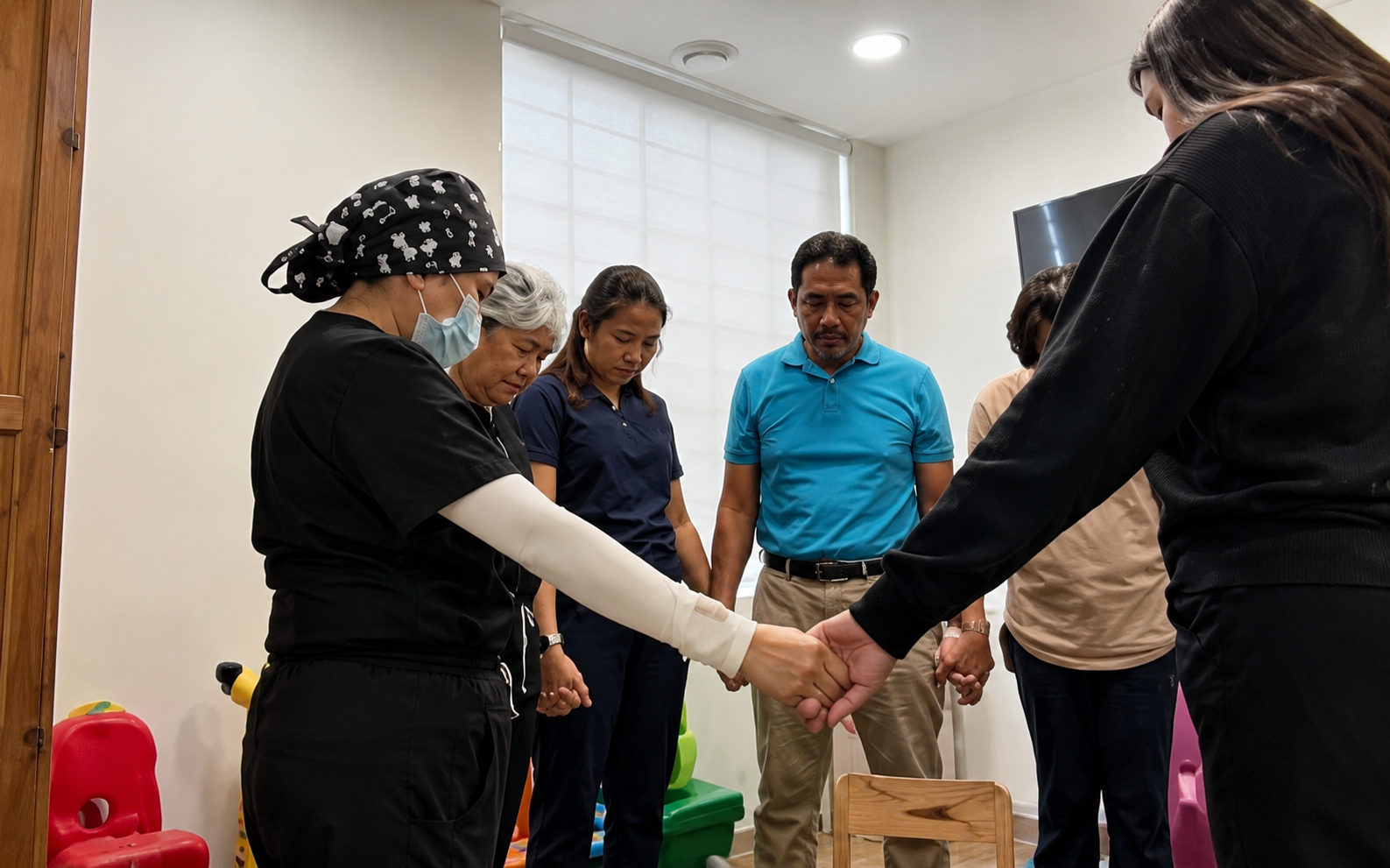
The Lord invites us to come to Him exactly as we are—not after we have everything figured out, but while we are still carrying our burdens.
"Come to Me, all you who labor and are heavy laden, and I will give you rest."
— Matthew 11:28 (NKJV)
Benefits of Acknowledging Your Feelings
1. It Begins the Healing Process
Healing starts when we stop pretending everything is fine. When we acknowledge our pain, we open the door to receive God's comfort and the support of others.
2. It Reduces Emotional Burden
Keeping emotions bottled up can increase stress, anxiety, and sadness. Expressing your feelings in healthy ways—through prayer, journaling, or talking to someone you trust—can bring relief.
3. It Strengthens Your Relationship with God
God already knows what is in our hearts. He invites us to come honestly before Him with our fears, disappointments, and questions.
"Pour out your heart before Him; God is a refuge for us."
— Psalm 62:8
Prayer becomes more meaningful when it is sincere rather than pretending we are okay.
4. It Improves Emotional Well-being
Recognizing your emotions helps you understand why you feel the way you do. This awareness allows you to respond wisely instead of reacting impulsively.
5. It Encourages You to Seek Help
Acknowledging that you are struggling is often the first step toward receiving help from family, friends, pastors, or mental health professionals.
Seeking help is a sign of wisdom and courage, not weakness.
6. It Prevents Emotional Isolation
When we hide our feelings, we often withdraw from others. Honest communication strengthens relationships and reminds us that we are not alone.
"Two are better than one... For if they fall, one will lift up his companion."
— Ecclesiastes 4:9–10
7. It Helps You Experience God's Peace
Once we bring our worries to God, He promises a peace that goes beyond our understanding.
"Be anxious for nothing... let your requests be made known to God; and the peace of God... will guard your hearts and minds."
— Philippians 4:6–7
Remember
You do not have to pretend to be strong all the time.
You do not have to carry your burdens alone.
God is near.
Healing begins with honesty, continues through faith, grows with the support of others, and is strengthened as we daily walk with the One who says,
"My grace is sufficient for you, for My strength is made perfect in weakness."
— 2 Corinthians 12:9 (NKJV)
"Cast your burden on the Lord, and He shall sustain you."
— Psalm 55:22 (NKJV)
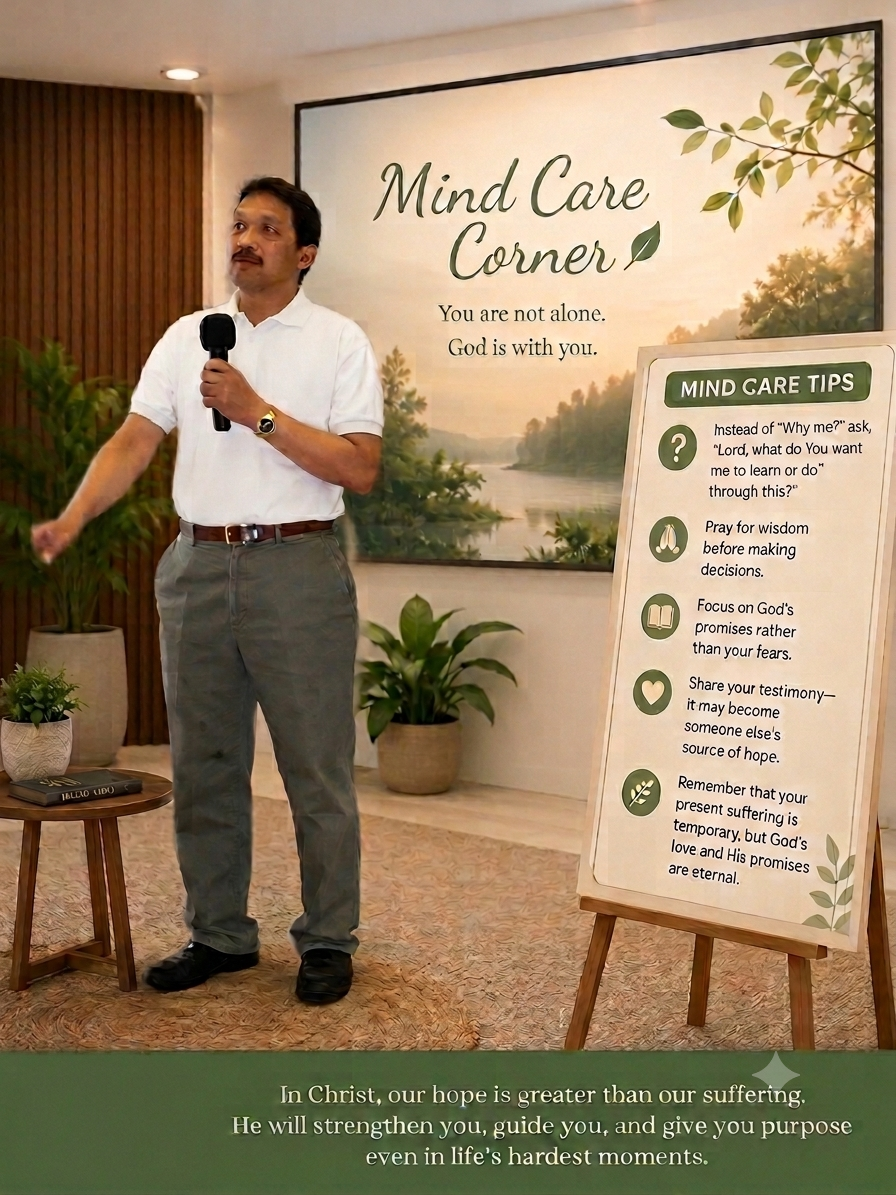
Practical Steps Toward Healing
God often works through practical means as well as spiritual ones. Consider these healthy steps:
- Pray honestly. Tell God exactly how you feel.
- Read one encouraging Bible passage each day, even if only a few verses.
- Share your struggles with a trusted family member, friend, pastor, or counsellor.
- Maintain healthy routines by getting enough sleep, eating nourishing food, exercising regularly, and spending time outdoors.
- Avoid isolating yourself. Healthy relationships can provide strength and encouragement.
- Write down three blessings each day as a reminder of God's ongoing care.
- If your sadness, hopelessness, or loss of interest continues for weeks or interferes with daily life, seek professional help. Depression is a real health condition, and reaching out for support is a wise and courageous step.
A Prayer
Heavenly Father, You know every burden I carry, every tear I have cried, and every fear hidden within my heart. Thank You for inviting me to come to You just as I am. Help me to be honest about my struggles and to trust that You are near to the brokenhearted. Give me courage to seek help when I need it, wisdom to care for my mind and body, and faith to hold on to Your promises. Fill my heart with Your peace and remind me each day that I am loved, valued, and never alone.
In Jesus' name, Amen.